Welcome to Tree Talk
Trees Can Talk.
Let's Talk About It!
Trees are the ultimate "code-talkers," communicating in a special, silent language of chemical and electro-magnetic signals - both above and underground.
"If a tree falls in the forest and no one hears, does it really make a sound?"
That's an age-old question - but probably the wrong one to ask if you're wondering whether trees talk.
Just because we can't hear them doesn't mean trees have nothing to say. In fact, while trees seem like the shy, quiet type, they are actually much more like social butterflies, constantly (but quietly) chattering away beneath our feet.
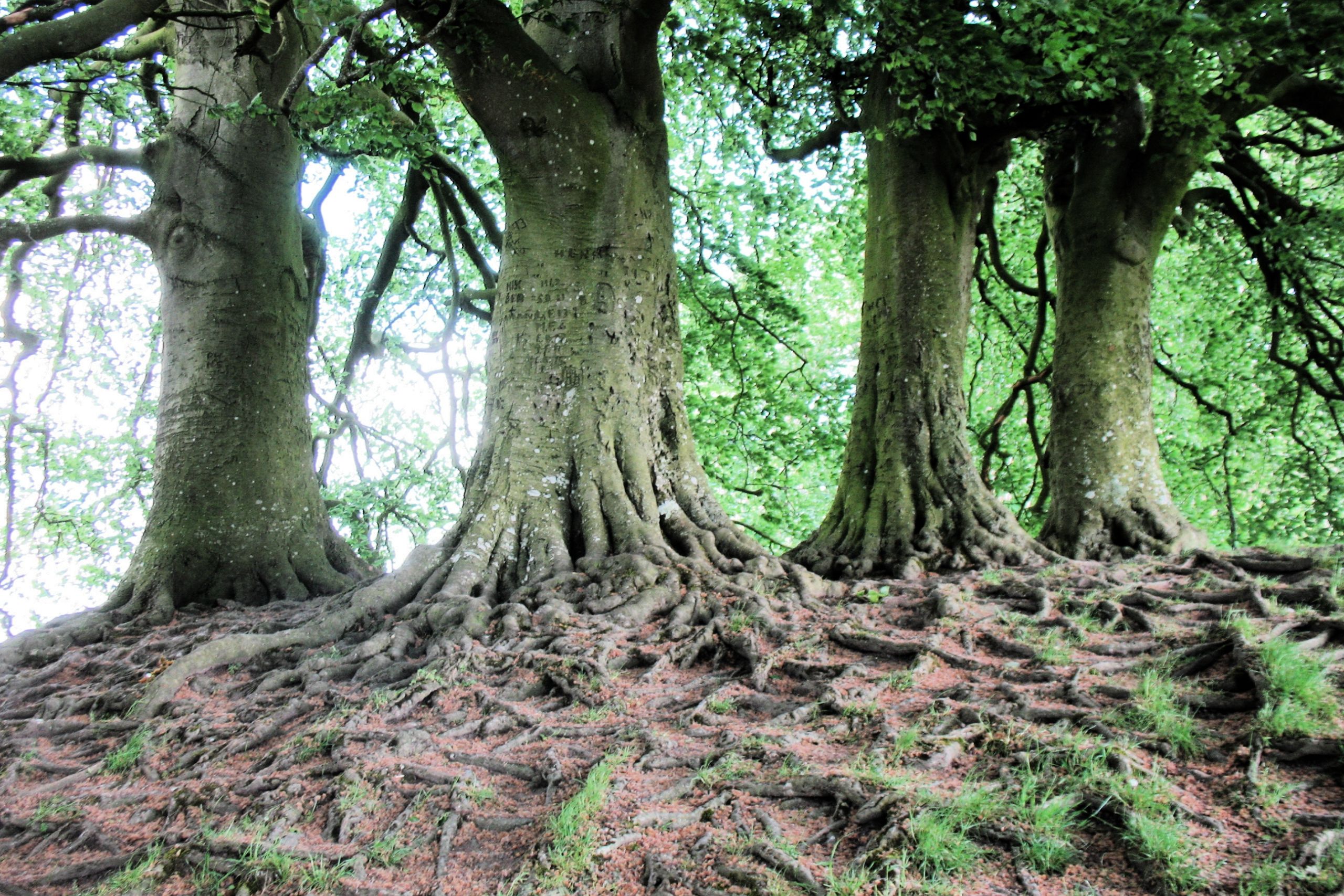
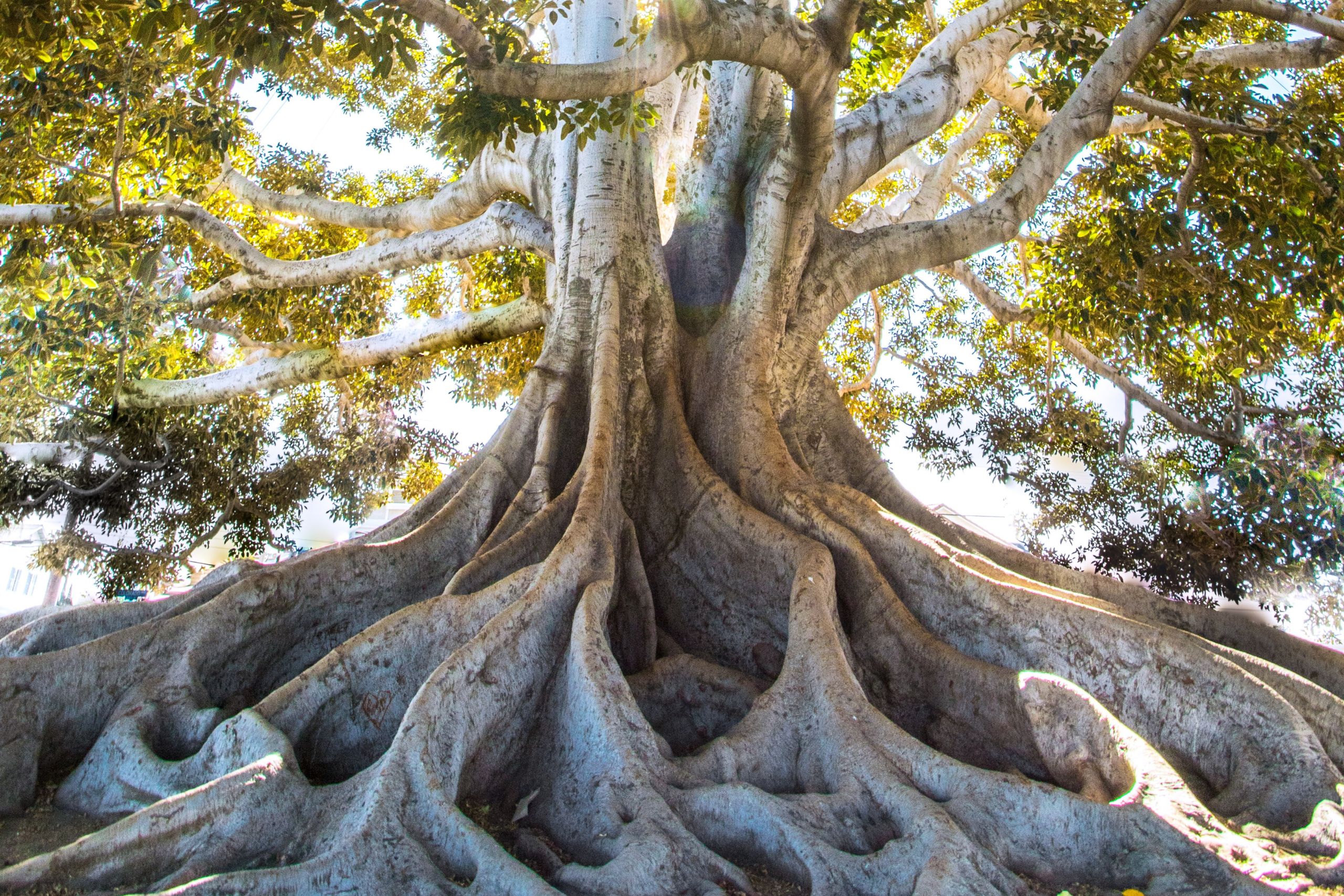
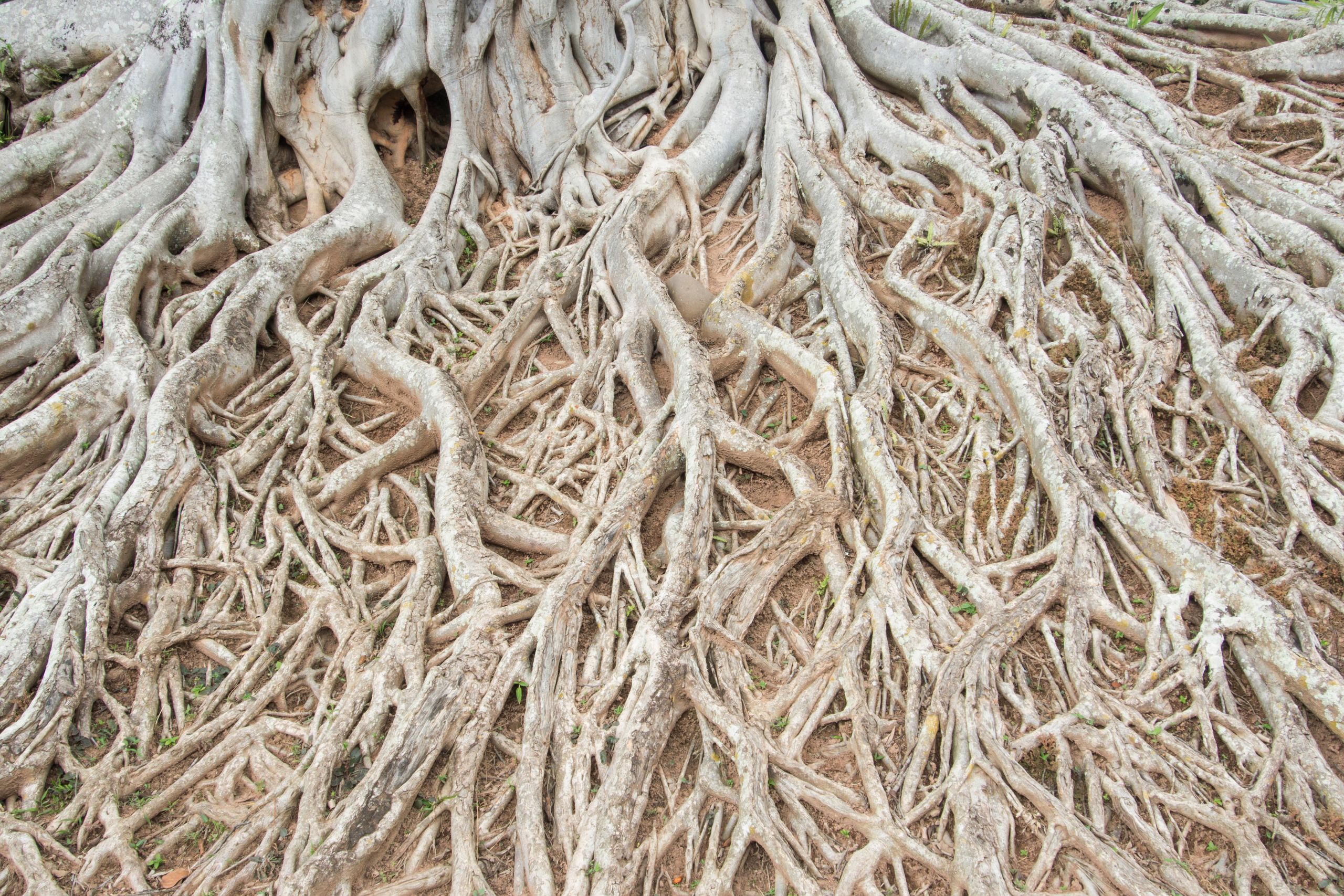
The Mycorrhizal Network
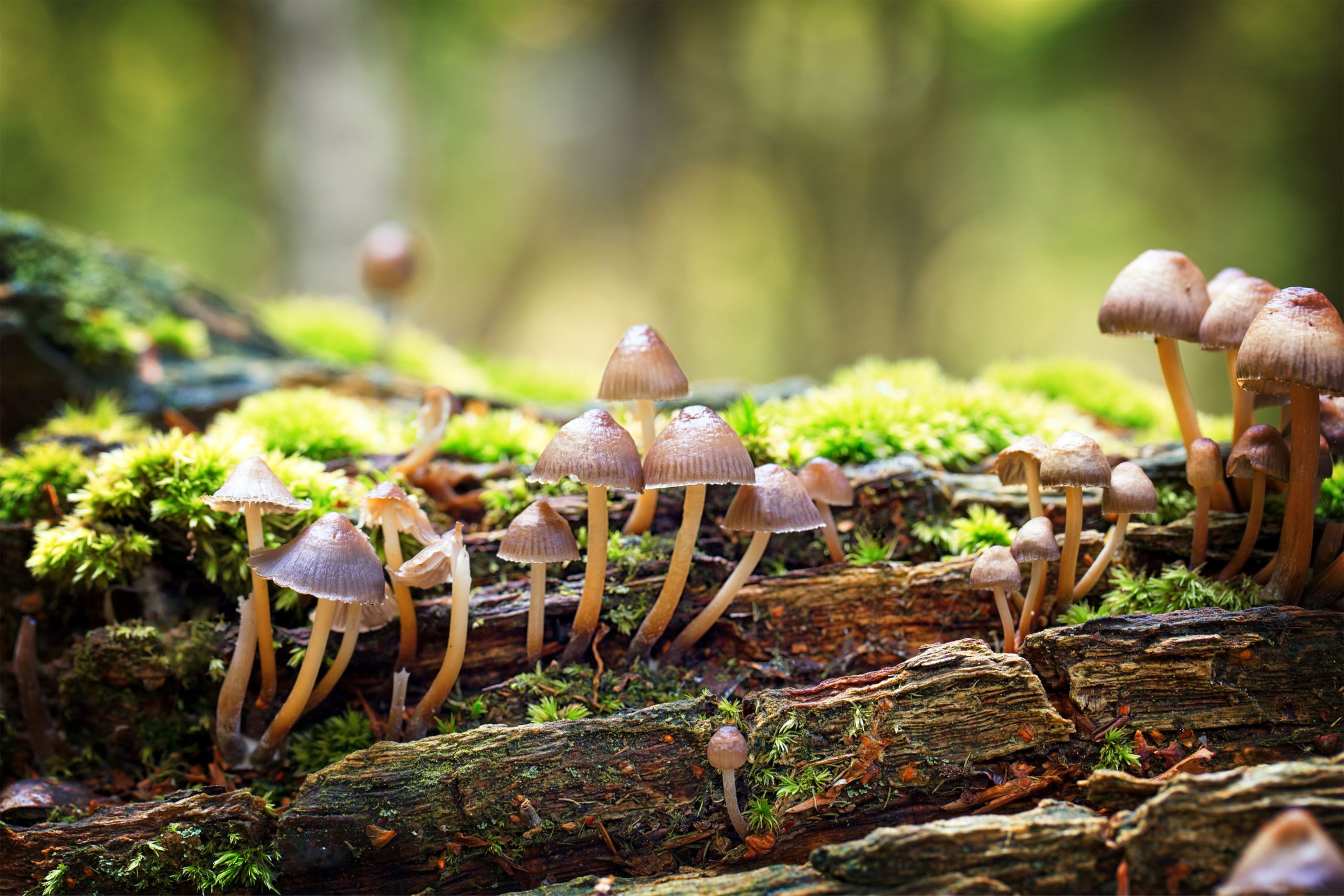
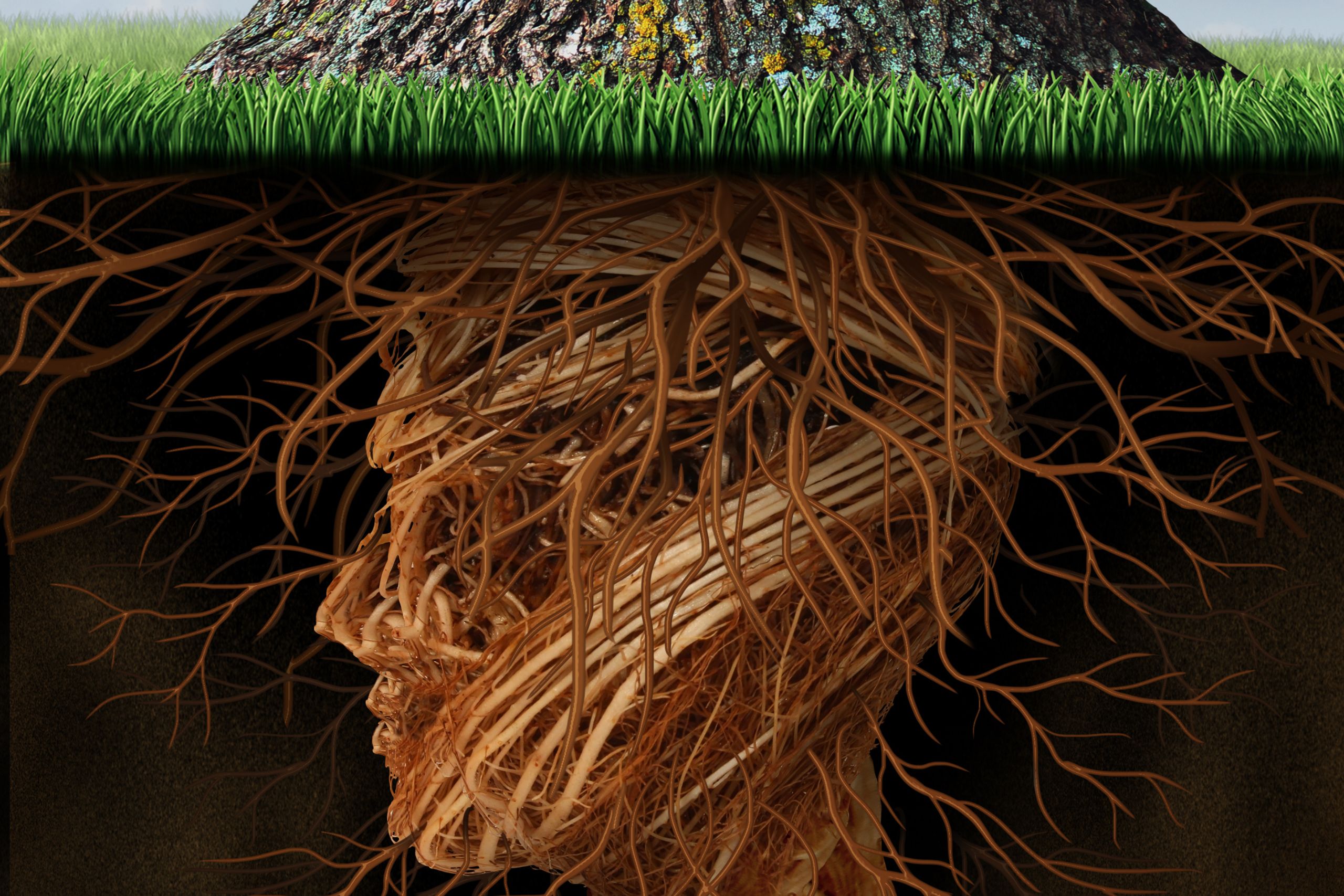
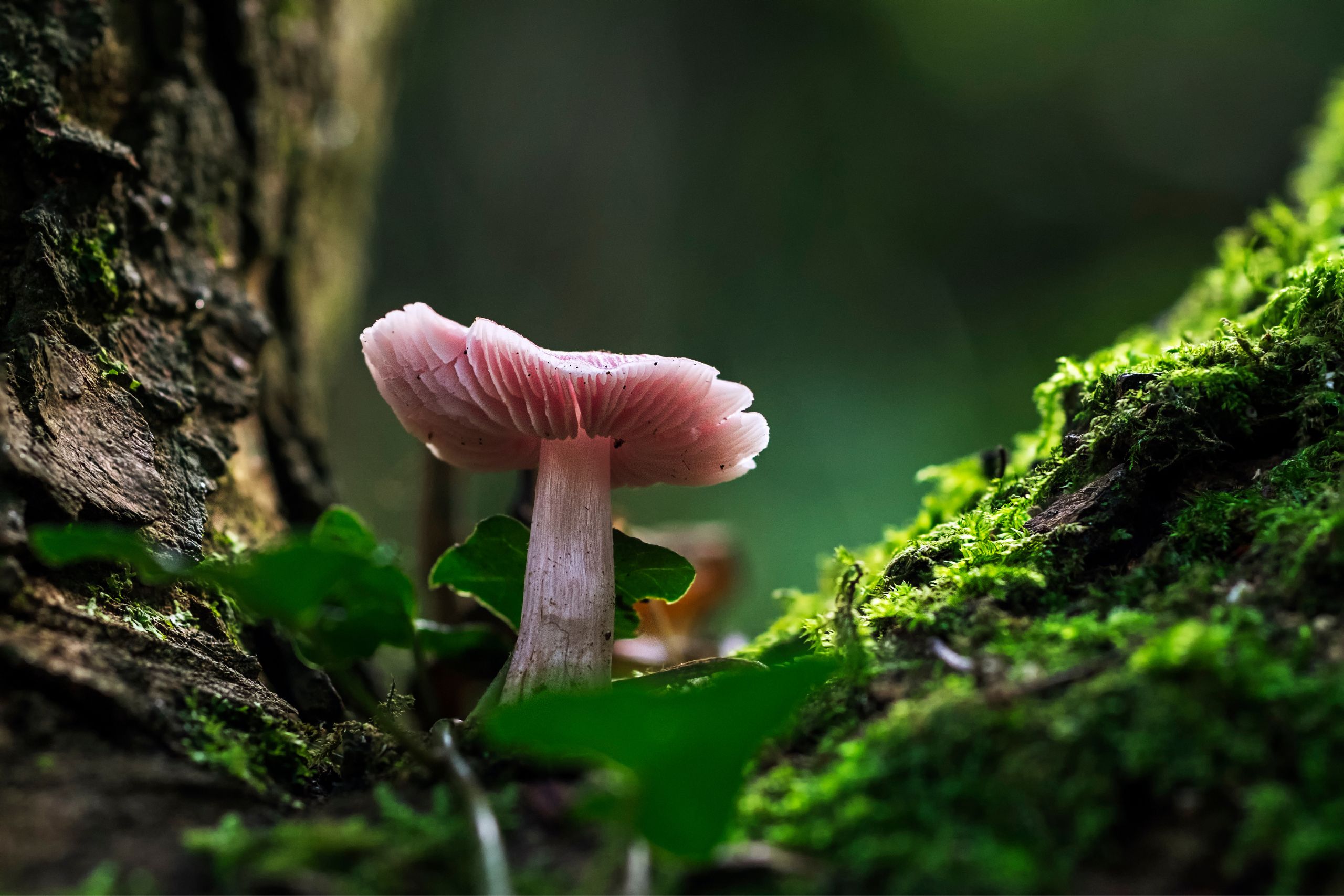
Trees have a secret ways of communication with each other. One of those is through an incredible symbiotic network of chemical signaling that relies on fungi.
Called a mycorrhizal network, the fungi connect to the outside and inside tree roots underground. Through this, trees are able to connect to each other, exchanging resources, information, warnings, and defenses.
This phenomenon is often referred to as the, "tree communication system" and or "forest communication." In the journal "Nature," scientists called mycorrhizal relationships, "among the most important biological interkingdom" systems, involving some 340,000 species of land plants and 50,000 different kinds of soil-growing fungi. Over 80% of all plants have a symbiotic relationship with mycorrhizal fungi.
With mycorrhizal networks, scientists say a tree has a much greater chance of survival than it would have just on its own - something humans could learn a lot from too.
Fungi: A Wood Wide Web - Now Streaming Underground
In a symbiotic relationship, no one gets the short end of the stick.
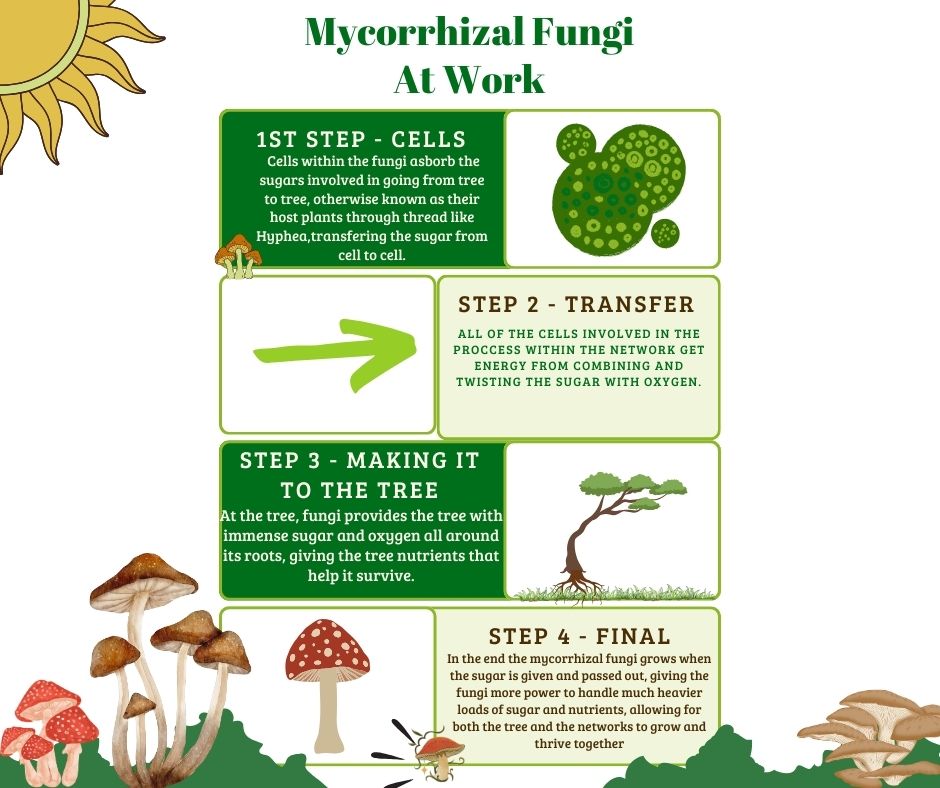
Often when fungi connects to the roots of trees, both the fungi and the trees benefit. The roots of the trees give carbon dioxide, sugar, and protection to the fungi. In return, the fungi not only directly delivers water to the tree, it also connects it to other nearby trees both near and far. Through the mycorrhizal network, the fungi carries resources (nutrients, chemical protections, water, etc.) back and forth, as well as important messages from other trees nearby about environmental changes and potential threats - like drought, diseases, insects, and even deforestation. Some studies show these tree-fungi friendships can help trees build better resistance to big dangers.
Tree "Cliques"
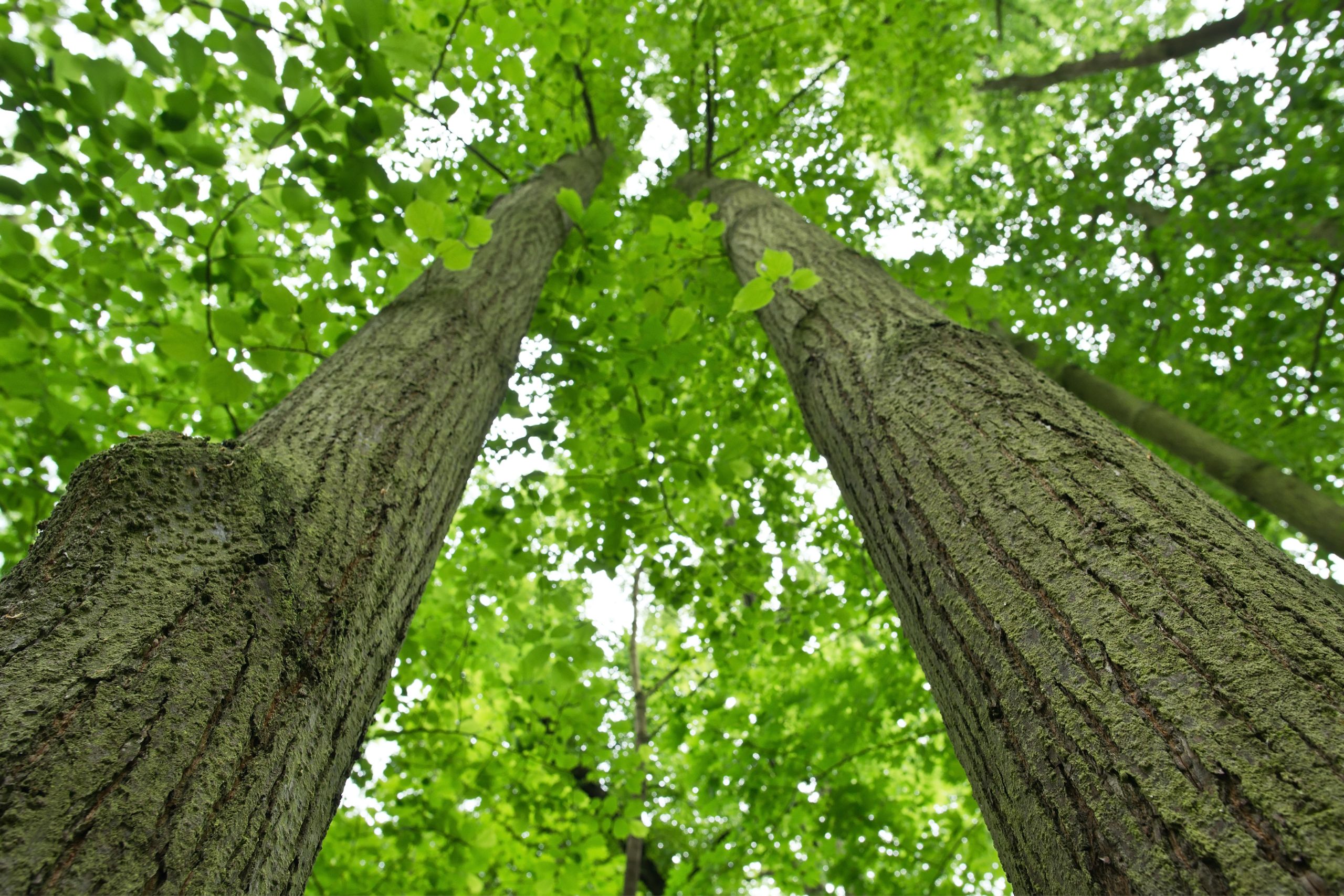
Some trees are super picky about the types of fungi they "work with." Others are more accepting. It depends on the type of tree and the environment around it.
Some of this could be because different fungi may offer different benefits. These can include higher tolerance for drought, salt, and root diseases.
Also, while many trees share information and create "alliances" with other species, there is evidence "mother trees" (also known as "hub trees") use the tree communication system to favor their own saplings. They send more valuable nutrients and other resources to their own seedlings, ensuring they have the best chance of survival.
So the next time you go tramping through the forest or in the park, think about all the conversations happening right under your feet!

Don't Get Stumped: Branch Out With These Tree-Mendous Definitions
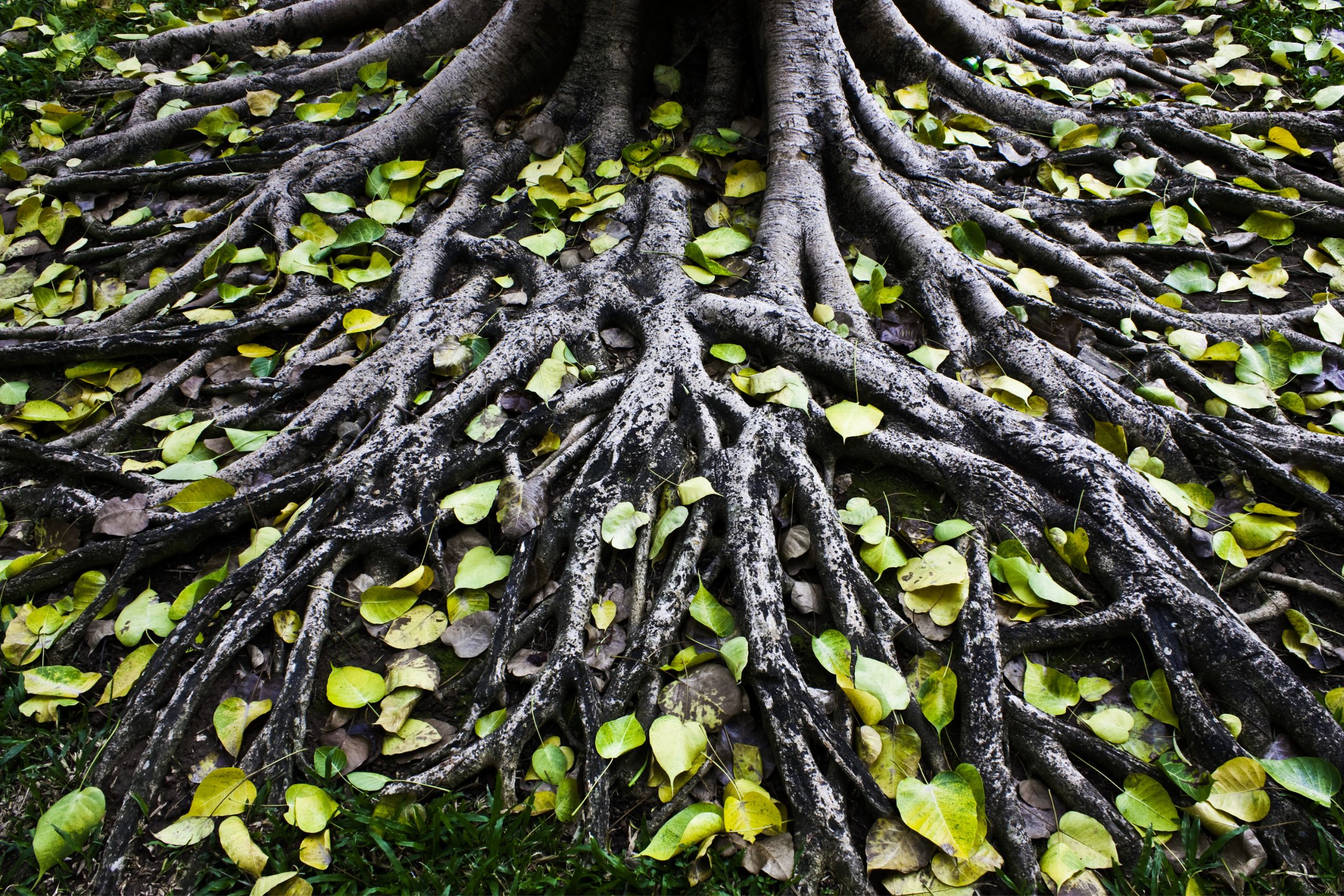
"When the root is deep, there is no need to fear the wind."
-African Proverb